The Essentials of UVB & UVA Bulbs for Bearded Dragons
For those who have chosen the captivating bearded dragon as their reptilian companion, ensuring their health and happiness is paramount. One of the most critical yet often overlooked aspects of bearded dragon care is the provision of proper lighting.
Both UVB and UVA lighting play essential roles in the well-being of our scaly friends. In this article, we delve deep into the world of UV lighting for bearded dragons, helping owners make informed decisions.
Why UV Lighting is Crucial
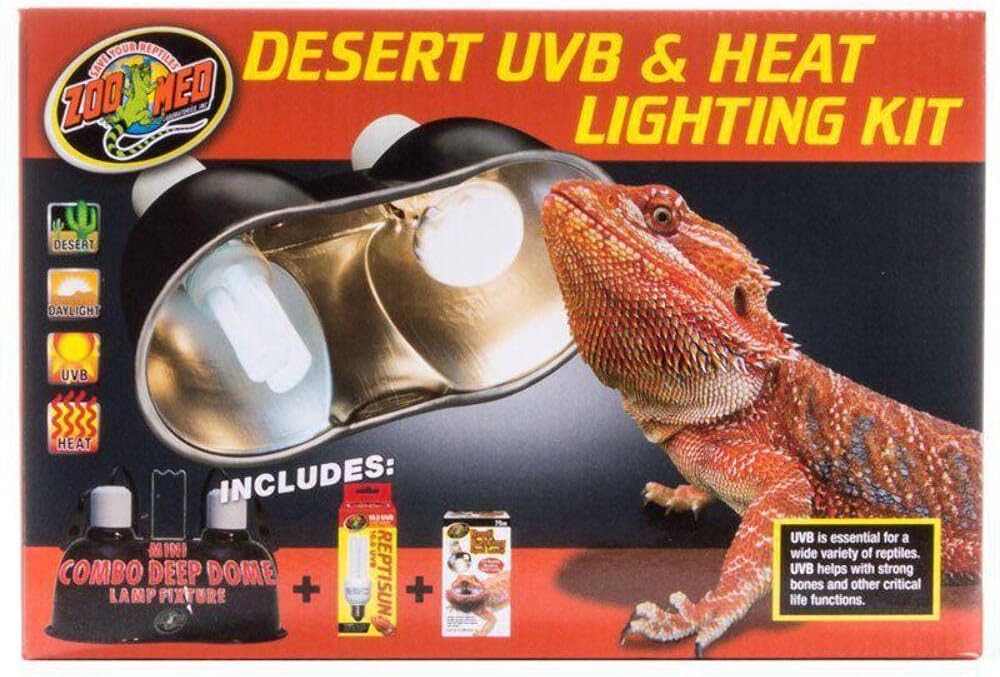
Bearded dragons, native to the arid regions of Australia, are naturally exposed to intense sunlight. This exposure is not merely for basking; it provides essential ultraviolet (UV) rays that influence multiple aspects of their health:
Vitamin D3 Synthesis: UVB rays are necessary for bearded dragons to synthesize vitamin D3. This vitamin, in turn, aids in the absorption of calcium, a vital mineral for bone health.
Behavioral Influence: UVA rays play a crucial role in influencing behavioral patterns, including feeding, mating, and basking.
The Difference Between UVB and UVA
UVB (Ultraviolet B): These are medium-wavelength rays, crucial for the synthesis of vitamin D3. A lack of adequate UVB exposure can lead to Metabolic Bone Disease (MBD) in bearded dragons, a painful and potentially lethal condition.
UVA (Ultraviolet A): These are long-wavelength rays, essential for the normal behavior of reptiles. UVA affects the perception of their environment and helps stimulate activities such as eating, climbing, and mating.
Choosing the Right Bulbs
Broad-spectrum Bulbs: These bulbs emit both UVA and UVB rays, replicating the natural sunlight a bearded dragon would receive in the wild. Brands like ReptiSun and Arcadia are renowned for their high-quality UV bulbs.
Percentage Matters: When selecting a UVB bulb, opt for those that emit 10-12% UVB for bearded dragons. This range closely mimics the intense sunlight of their natural habitat.
Replace Regularly: UV bulbs lose their effectiveness over time. Even if they’re still emitting visible light, the UV output can diminish. Typically, replacing UVB bulbs every 6-12 months is recommended.
Setting Up Your Lighting
Basking Spot: Set up the UVB light over the basking spot to ensure your bearded dragon receives both heat and UVB simultaneously. This mimics the natural environment where the sun provides both warmth and UV radiation.
Distance: The UVB bulb should be positioned 10-12 inches from the basking spot, ensuring effective UV exposure without the risk of burns.
Duration: Aim for 12-14 hours of UV exposure during the summer months and about 10-12 hours during the winter to simulate natural seasonal changes.
Safety Precautions
Avoid Glass and Plastic: UV rays can’t penetrate through glass or clear plastic, so ensure there’s no barrier between the bulb and your dragon.
Always Monitor: Regularly check the placement and condition of the bulbs. Ensure they’re not causing overheating or, conversely, not providing adequate UV due to age or malfunction.
Wrapping Up
Lighting, specifically UVB and UVA, is more than just about visibility or setting up a picturesque terrarium; it’s about the very health and vitality of your bearded dragon. Investing in high-quality UV lighting and maintaining it properly is a small step that leads to a thriving, happy beardie life. Remember, as with all aspects of pet care, when in doubt, seek advice from a specialist or veterinarian experienced in reptile care for your bearded dragon lighting uvb